
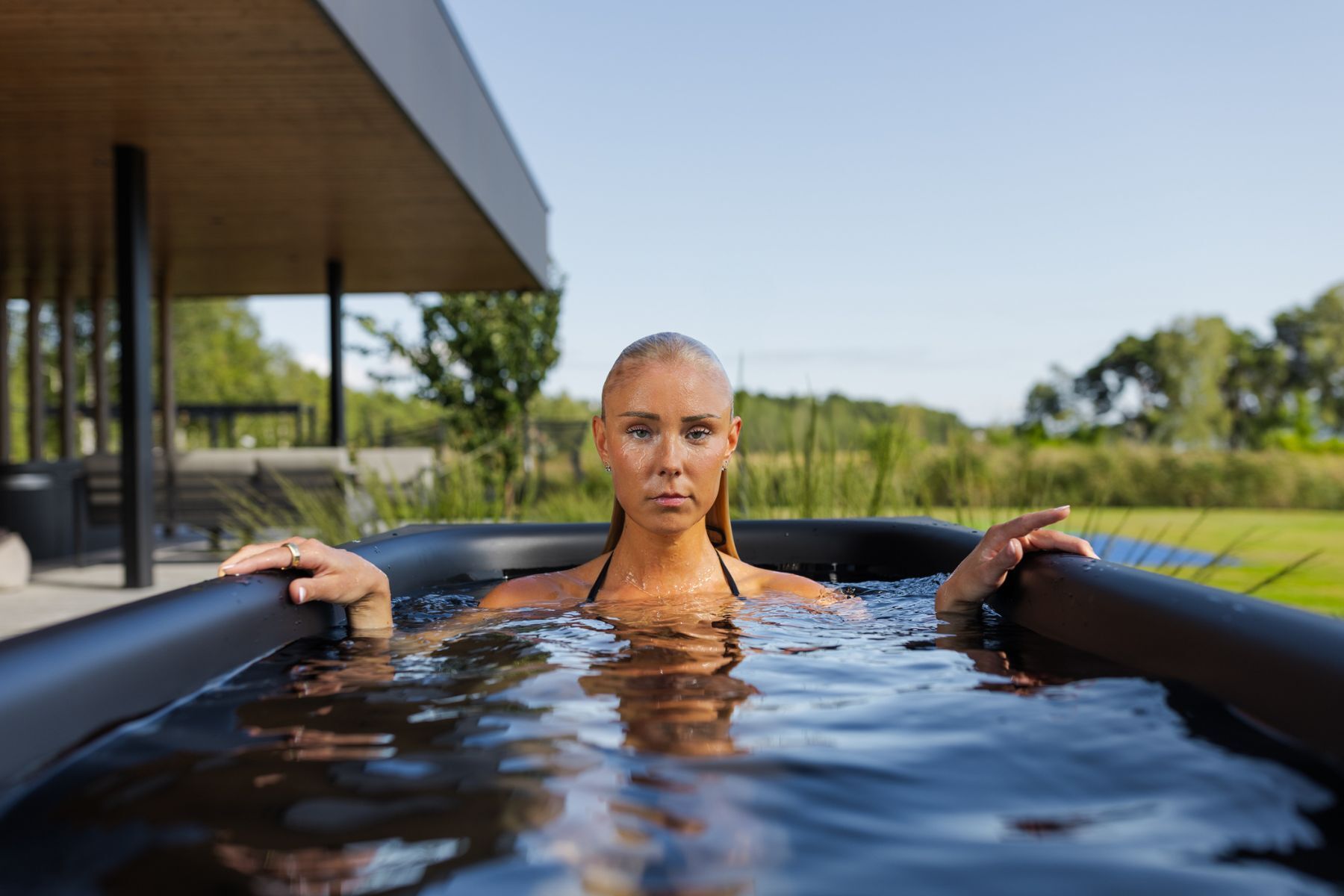
How Long Should You Stay in a Cold Plunge?
How long should you stay in a cold plunge to get the experience you are looking for?
There is no single number that works for everyone. The right duration depends mainly on water temperature, your experience with cold exposure, your reason for using a cold plunge and how your body responds to the cold.
For beginners, gradually getting used to the cold matters more than collecting minutes. There is no universally agreed ideal duration for a cold plunge, and the appropriate exposure time depends strongly on water temperature, individual tolerance and the purpose of the session. A good approach is to begin with a short, controlled exposure and increase the duration gradually as the cold becomes more familiar.
When it comes to cold plunging, longer does not automatically mean better.
Temperature and time go hand in hand
Cold plunge duration should never be considered without also looking at water temperature.
Five minutes in 15°C / 59°F water is a very different experience from five minutes at 5°C / 41°F. The colder the water, the more important it becomes to keep the exposure controlled and conservative.
ICY allows you to adjust the water temperature down to +3°C / 37°F, but the lowest possible temperature should never be the goal in itself. Cold exposure should remain manageable.
A useful principle is to change only one variable at a time. If you increase the amount of time you spend in the water, avoid dramatically lowering the temperature at the same time. If you want to experiment with colder water, keep your first sessions at that temperature short.
If you are unsure where to start with temperature, read our article Cold Plunge Temperature: What Is the Ideal Temperature?
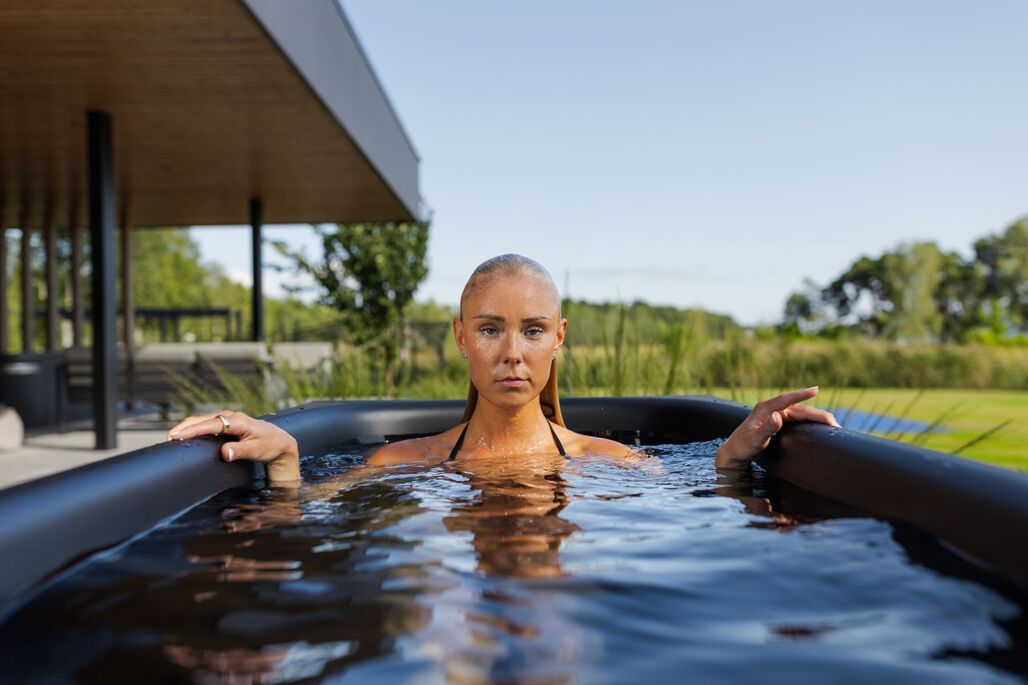
How long should a beginner stay in a cold plunge?
There is no reason to aim for long sessions when you are new to cold exposure.
Start with a brief immersion at a temperature where you are able to stay calm and regain control of your breathing. For a first session, even around 30–60 seconds can be enough to experience how your body responds to the cold. As the experience becomes more familiar, the duration can be increased gradually.
Rather than aiming for a specific number on the timer, focus on keeping the experience controlled. Water temperature and exposure time should always be considered together: the colder the water, the more conservative the duration should be.
If your breathing does not settle, you become dizzy, confused or otherwise feel unwell, end the session. Cold exposure should feel challenging, but it should remain controlled.
What if you are already used to cold exposure?
As experience builds, many people are able to spend a few minutes in cold water comfortably and under control.
At that point, it is easy to assume that progress must always mean either colder water or a longer session.
It does not.
If a few minutes at your preferred temperature feels good and works well as part of your routine, there may be no reason to change it. Cold plunging does not need to become a competition with yourself or anyone else.
There is no need to continuously increase the intensity of cold exposure. Consistency, control and a temperature that suits your own routine matter more than reaching an extreme temperature or duration.
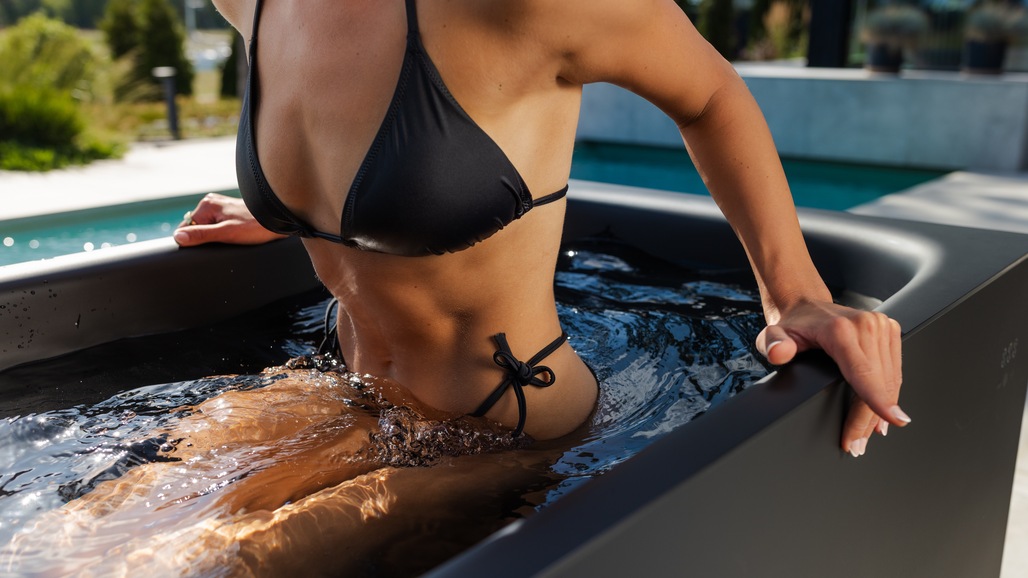
Why do some studies use 10–15 minute cold-water immersions?
If you read research on cold-water immersion, you may come across much longer durations than those commonly recommended for everyday cold plunging.
A 2025 network meta-analysis combining 55 randomised controlled trials found favourable post-exercise recovery outcomes with protocols including 10–15 minutes at 11–15°C / 52–59°F. Studies using 5–10°C / 41–50°F for 10–15 minutes were also included and showed effects on some recovery markers.
That does not mean everyone should sit in a cold plunge for 10 or 15 minutes.
The research focused specifically on recovery from acute exercise-induced muscle damage, with controlled study protocols, different participant groups and specific outcome measures such as muscle soreness, jump performance and creatine kinase levels. The authors also note limitations in the available evidence and the importance of individualised recovery strategies.
A research protocol designed for athletic recovery should therefore not automatically become an everyday wellness recommendation.
When should you get out of a cold plunge?
The clock is not the only thing that matters.
Cold water can trigger an immediate physiological response, including rapid breathing and changes in heart rate and blood pressure. The colder the water, the more important it is to keep the exposure controlled and to pay attention to how your body responds.
End the session if your breathing does not return under control, you feel strongly dizzy or confused, experience chest discomfort, or otherwise begin to feel unwell.
Uncontrolled shivering should not be treated as a sign that you simply need to “push through” until the timer runs out.
The purpose of a cold plunge is controlled exposure — not endurance at any cost.
How often can you use a cold plunge?
There is no single ideal frequency for everyone. How often you use a cold plunge depends on your goals, experience, water temperature and how the practice fits into your everyday life and training.
When you are new to cold exposure, it makes sense to leave time between the first sessions and pay attention to how your body responds. As the experience becomes familiar, cold plunging can become a more regular part of your routine.
If cold-water immersion is used specifically after training, timing may also matter. Research suggests that frequent cold-water immersion immediately after resistance training may reduce some of the long-term adaptations associated with strength and muscle development. For athletes, the use of cold exposure should therefore reflect the goal of the training session rather than automatically following every workout.
Start short and find your own routine
There is no single correct number of minutes to spend in a cold plunge.
A practical way to begin is:
- Start with a short exposure and see how your body responds
- Choose a moderate temperature at first
- Allow your body to adapt before increasing the duration or lowering the temperature
- Keep colder sessions shorter
- Stop if the experience no longer feels controlled
What matters most is not how long you can tolerate the cold.
It is finding a combination of temperature and time that works for you and that you actually want to repeat.
The same principle applies to water temperature: extremes are not the goal.
When should you seek medical advice before cold plunging?
Cold exposure causes an immediate cardiovascular response, including changes in heart rate and blood pressure. If you have a cardiovascular condition, blood-pressure concerns or another medical condition that may be affected by cold exposure, discuss cold-water immersion with a healthcare professional before starting.
Your time. Your temperature.
With precise temperature control, you do not need to rely on the unpredictable temperature of an ice bath. Instead, you can find the combination of temperature and duration that works for your own routine.
Start gradually. Adapt. And let your own experience shape your cold-plunge routine — not the lowest number on the thermometer or the longest time on the clock.
ICY makes cold exposure controlled and easy to repeat.